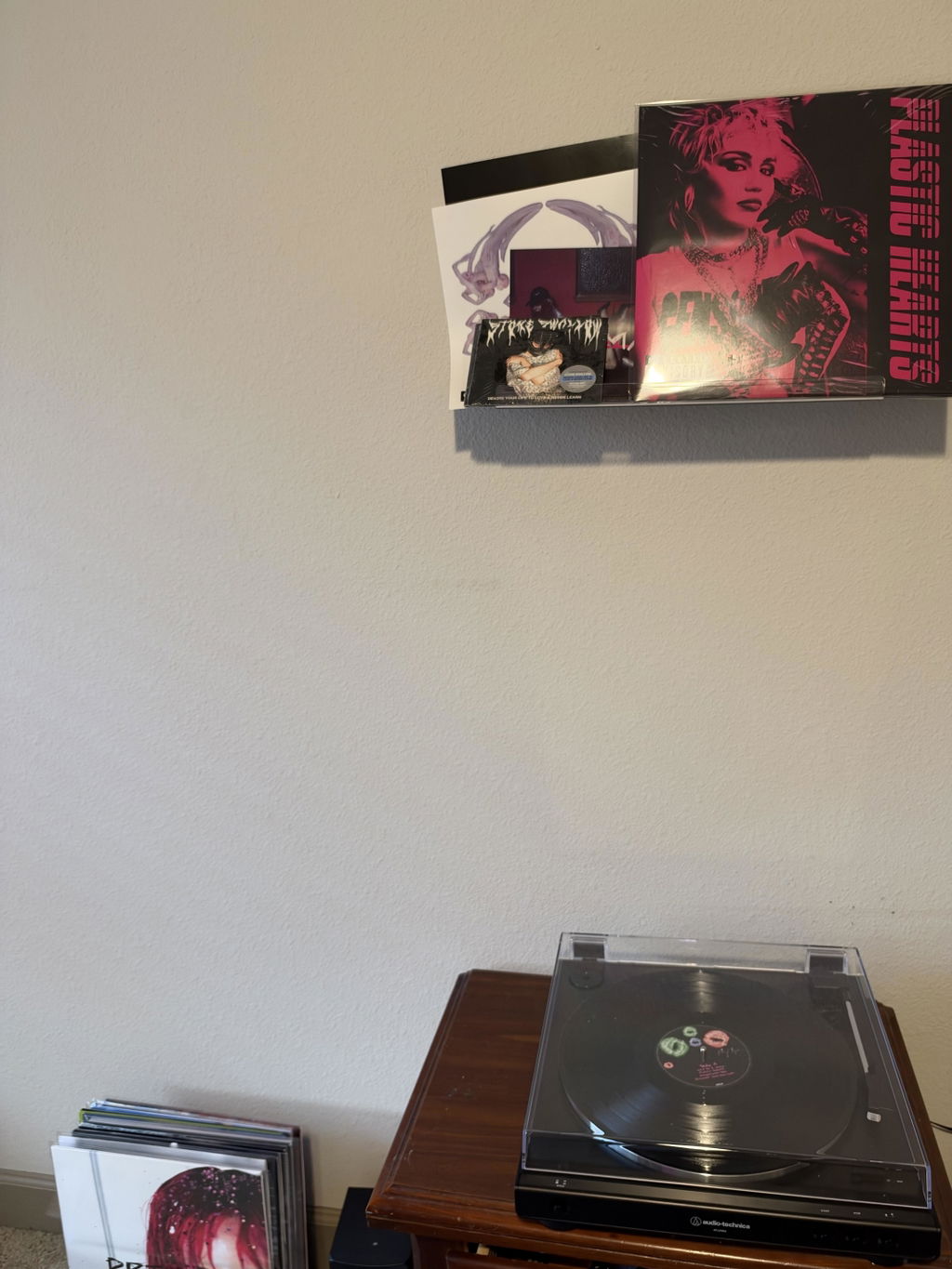
Your vinyl records deserve the same care as the music they hold. Whether you're a seasoned collector or just getting started, proper cleaning is the single most important habit you can build. Dirt, dust, and static don't just degrade sound quality — they permanently damage the grooves over time.
Why Cleaning Matters
A vinyl groove is a physical imprint of a sound wave. Every speck of dust that sits in that groove is dragged across it by the stylus on playback, grinding away fine detail with each pass. Regular cleaning removes this debris before it causes lasting damage, and it dramatically reduces surface noise — those telltale pops and crackles.
What You'll Need
- Carbon fiber brush — for dry, quick dust removal before every play
- Record cleaning solution — purpose-made fluid, not household cleaners
- Microfiber or velvet cleaning pad — for applying solution in the direction of the grooves
- Record cleaning machine (optional but recommended) — a vacuum-based or ultrasonic cleaner gives the deepest clean
- Inner sleeves — always store cleaned records in anti-static poly-lined sleeves
The Basic Cleaning Method
- Dry brush first. Before every play, lightly pass a carbon fiber brush across the record surface in a circular motion following the grooves. This lifts loose dust without pressing it deeper.
- Apply cleaning solution. Place the record on a clean surface or dedicated cleaning mat. Apply a few drops of record cleaning fluid to your pad and work it gently into the grooves in a circular motion. Avoid the label.
- Wipe and dry. Use the clean side of your microfiber pad to remove the loosened debris. Always move with the grooves, not against them. Allow the record to air dry fully before playing or storing.
- Store properly. Return the clean record to a fresh anti-static inner sleeve, then into the outer jacket. Store vertically — never stack flat.
Deep Cleaning with a Cleaning Machine
For thrift finds, used purchases, or records with significant surface noise, a proper cleaning machine is worth the investment. Vacuum-based machines (like the Nitty Gritty or Record Doctor) use suction to pull fluid and debris out of the grooves entirely. Ultrasonic cleaners go even further, using high-frequency vibration to dislodge embedded contamination that brushes and fluid alone cannot reach.
What to Avoid
- Tap water — mineral deposits will damage grooves
- Isopropyl alcohol above 25% — it can degrade the vinyl and strip protective coatings
- Paper towels or tissues — too abrasive; they scratch
- Blowing with your mouth — moisture and saliva accelerate mold growth
How Often Should You Clean?
Dry brush before every single play. Wet-clean new purchases before their first spin (yes, even brand-new records carry pressing residue). Deep-clean used or thrift records before playing them at all. A record played dirty is a record being slowly destroyed.
Proper cleaning keeps your collection sounding its best for decades. Pair it with correct storage and a quality stylus, and your records will outlast you.